Operator Playbook
From Concept to Expansion: The Anatomy of a Multi-Location Live Entertainment Rollout
By GigFinesse Team ·
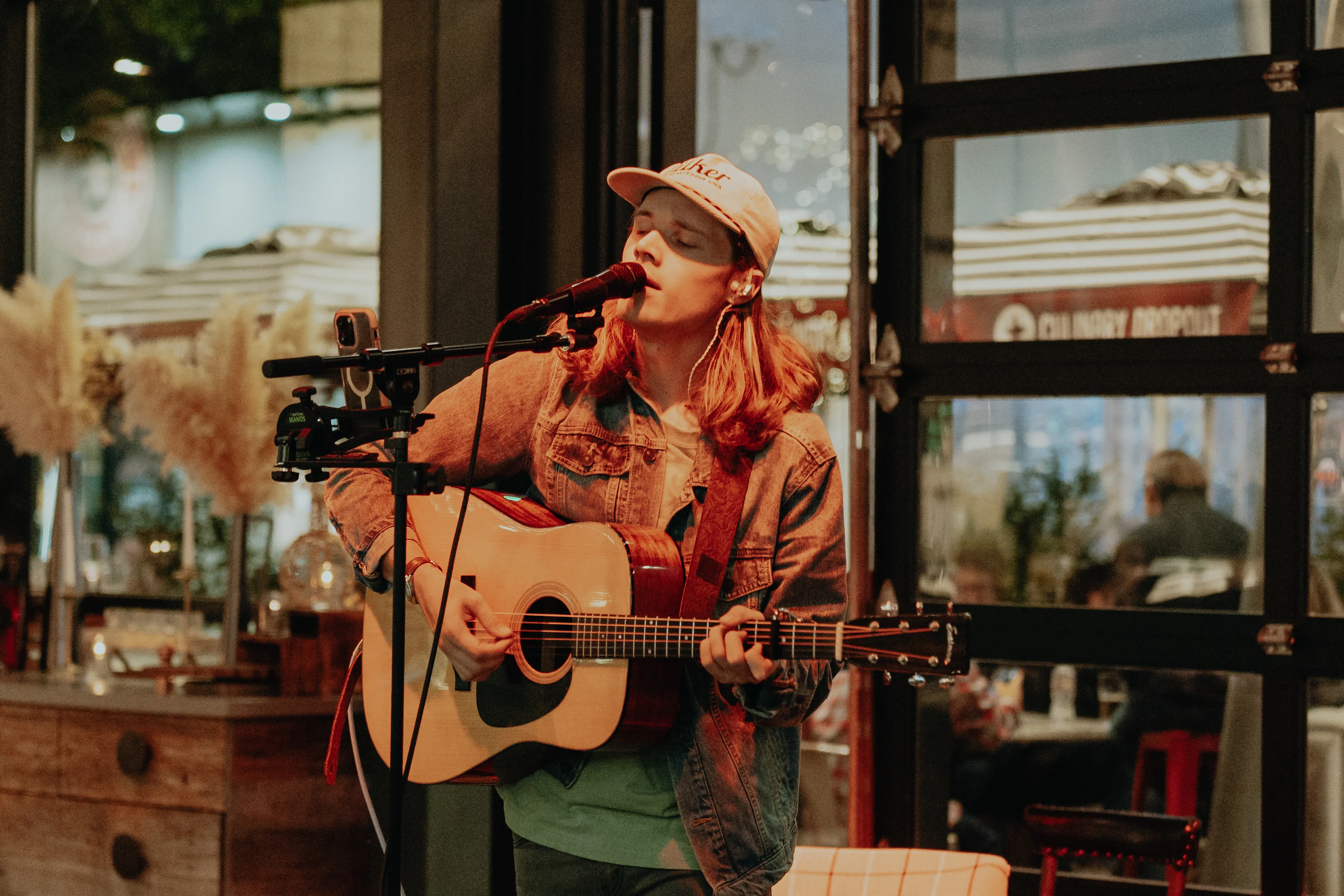
Here’s a problem most hospitality brands eventually hit: live music is part of your concept, and your concept is expanding into cities where you don’t know anyone.
Culinary Dropout — the beer-hall-meets-gastropub concept known for big rooms, games, and a constant hum of energy — has live music written into its DNA. The stage isn’t an amenity bolted on after opening; it’s part of the floor plan. Which means every new market the brand enters comes with a deadline: opening night needs a full entertainment calendar, in a city where the brand has zero local music relationships, staffed by artists who fit a very specific energy.
Multiply that by 15+ locations across the country and you have a choice: hire a talent buyer in every market, or make each GM moonlight as one. Or treat live music the way you treat every other part of a scalable operation — as a system.
“Thanks for all the great performances and for working with me to ensure an excellent experience for my guests.”
Culinary Dropout chose a system. A system of expert curation at scale. That’s where we come in. Here’s how it actually works.
The problem with “just have each location handle it”
The default approach to multi-unit live music is delegation: each GM books their own. It feels logical and it fails the same way everywhere.
Quality varies wildly by location, because it depends entirely on whether that particular GM happens to know the local scene or cares enough to make it a priority. Brand consistency evaporates — each location is subject to the personal taste of the GM, which can change on a whim or with a new hire. Costs and strategies are invisible at the corporate vantage point, because every location negotiates separately and nobody above store level can see what’s being spent or who is being booked. New openings — worst of all: the GM is drowning in hiring, training, permits, and punch lists, and “find fifteen reliable local musicians” lands at the bottom of the list until suddenly it’s two weeks out and the best artists are booked.
For a brand where the music is part of the product, that’s not an operations gap. It’s a product-quality problem.
What a centralized music operation looks like
The model we run with Culinary Dropout treats entertainment like the brand treats its menu: one standard, executed locally.
Before a market opens, we build the local bench. That means sourcing and vetting artists in the new city against the brand’s profile: solo acoustic artists, DJs and small bands that embody a cool americana feel, all curated ahead of doors opening. By opening night, the location has a roster it would have taken a GM a year of trial and error to assemble.
Day one, programming runs at full cadence. Not a soft launch of music “once we settle in.” The calendar is part of the opening, because the energy is part of the concept guests are being introduced to.
Every week after, the operational layer runs underneath: confirmations, replacements when life happens, payments, and performance tracking. Local flavor stays local — the Austin roster sounds like Austin, the Denver roster sounds like Denver — while the standard (reliability, energy, volume, professionalism) is identical everywhere. That’s the entire trick of brand consistency in entertainment: standardize the sound, not the band.
At the portfolio level, the brand gets what delegation can never produce: one view of the whole program. 250+ shows and 750+ artists managed every month, with a 99.9% fill rate and a 99% satisfaction rate across all bookings. Paired with a live, branded calendar and autogenerated branded promotional materials for every show, it has saved every GM a minimum of 60 hours a month.
“Our Operations team uses GigFinesse for the day-to-day music but myself and my marketing team use it for events, or marketing initiatives and only have great things to say! We have had to manually scout and book music in the past for our locations, and so to have GigFinesse as an extension of our team is crucial. I know when using GigFinesse, we are going to get the perfect music bookings. Appreciate you all!”
The takeaway for multi-unit operators
If live music or DJ programming matters for your concept, it deserves the same operational treatment as anything else. No brand would let each location invent its own menu, use a different POS system, or negotiate its own food costs — consistent execution would be impossible. Music gets that treatment constantly and it shows, location to location, in exactly the way guests notice and surveys never quite capture.
The Culinary Dropout model proves the alternative approach is scalable: a centralized standard, locally sourced talent, day-one execution, and portfolio-level visibility. National scale with one music department.
“Working with GigFinesse has allowed me to effectively manage the live entertainment for the properties in my region with ease. I can set up all of the consistent sets I need, specialty and holiday programming, and when we open a new property they are there for me every step of the way. If you work in the restaurant business reach out, there is no one better.”
If you’re an operator with three locations and plans for ten, the right time to build this system is before opening number four, not after the inconsistency erodes the brand itself.
GigFinesse acts as the music department for multi-location hospitality brands nationwide. Talk to our team about your expansion plans and we can get you up and running.