Operator Playbook
Booking Live Music: DIY vs. Booking Agency vs. Full Service. Which Is Right for Your Venue?
By GigFinesse Team ·
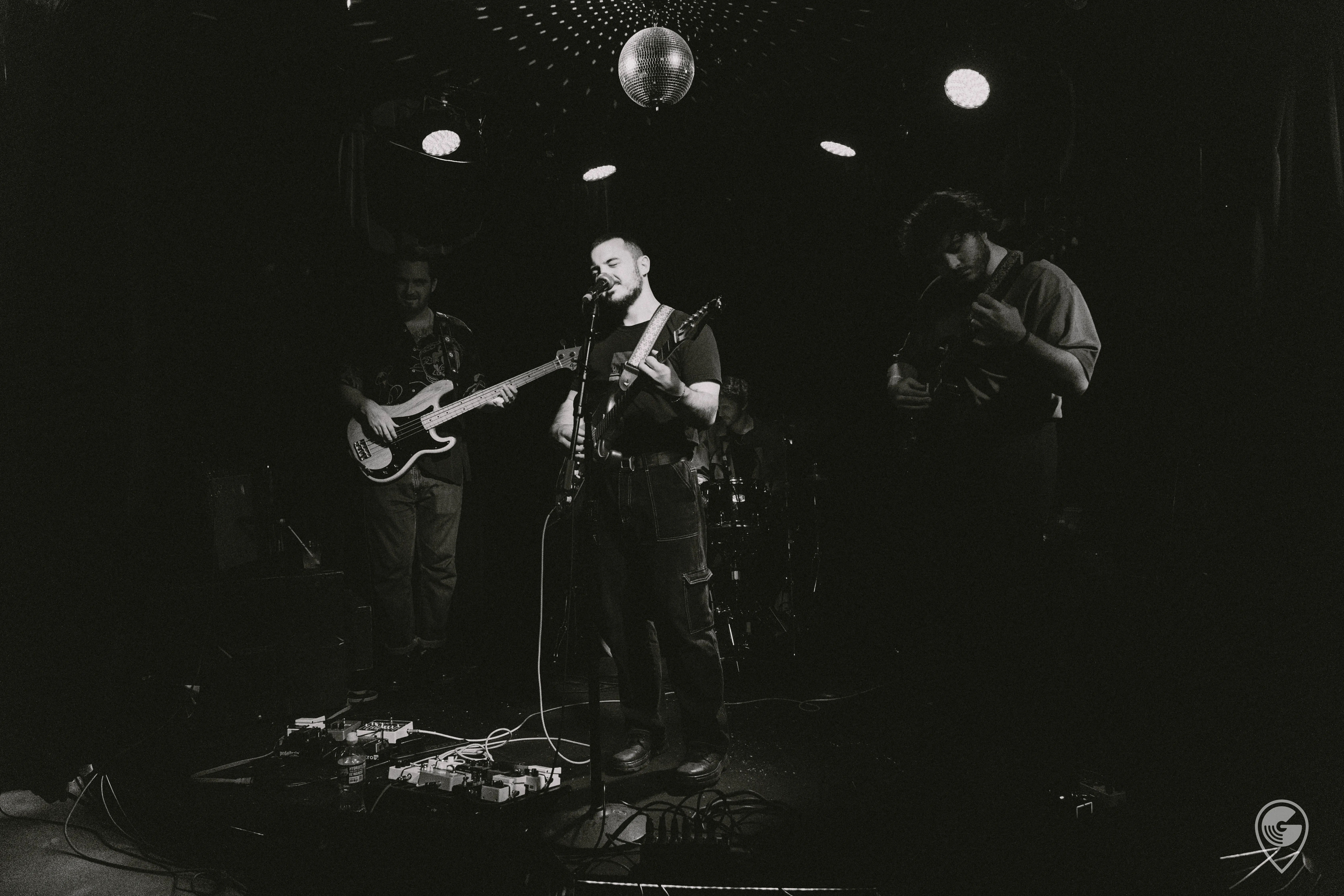
Every venue that runs live music gets it from one of three places: someone on staff books it, an agency books it, or a service handles it. Each model works for somebody. Each one fails predictably when it’s the wrong fit.
We are a service — worth stating upfront. But we’ve written this comparison anyway, because the operators we work with deserve the facts — not an advertisement. That means telling you where DIY makes sense, where an agency has the edge, and where we genuinely outperform. The goal is a decision you’re excited about.
| DIY / in-house | Booking agency | Full service | |
|---|---|---|---|
| What it costs | Artist fees + 5–10 hrs/week of staff time, plus marketing & admin | 10–20% commission or a retainer (roster markups on top) | $1,200–$3,500/mo, consumption-based |
| Best fit | One venue, under ~5 shows/month, resident artists | Headline, marquee, one-off events | Recurring programming at scale; multi-location |
| Where it breaks | Scale, turnover, admin — the program lives in one person’s phone | Volume & consistency across many recurring slots | Below a certain volume; one-off marquee names |
Option 1: Book it yourself
Someone on your team: the GM, the F&B director, or sometimes a bartender who plays guitar finds artists, negotiates rates, confirms shows, and handles the night-of chaos.
What it costs: Artist fees, plus five to ten hours a week of that person’s time, five to ten hours per week for marketing assets and calendar upkeep, two to ten hours of accounting and HR and the tuition you pay on early mistakes (no-shows, wrong-fit acts, the band that brought a full drum kit to a 40-seat wine bar).
Where it genuinely wins: Single venues with less than 5 shows per month, booked with resident artists. If your bar manager spent ten years gigging locally, has fifty musicians on their phone, and music is one to two nights a week — honestly, you may not need anyone else. The personal-relationship model produces some of the best-curated rooms in the country.
Where it breaks: Scale, turnover, and administration. The program lives in one person’s phone, so when that person leaves, the program leaves with them. Add a third night, a second location, or a hiring change, and the hours stop fitting inside a job that was already full. The most common DIY failure isn’t bad booking, it’s a good program that quietly stops happening when the person behind it burns out or moves on. Administration issues can also pose a threat to a great music program. Communication issues, limited marketing support, and HR compliance on 1099s and artist payout can ultimately lead to a program stalling.
Option 2: Hire an artist booking agency
A traditional artist agency or local talent buyer takes a brief and a budget, and books from their roster.
What it costs: Typically a commission of 10–20% on artist fees, or a monthly retainer, or both. Roster acts often carry agency-side markups too, so the same artist can cost more through an agency than direct.
Where it genuinely wins: Headline-driven booking. If you’re a music venue, a casino, or a hotel flagship that needs a known touring act for a marquee night, agencies are built for exactly that. They have the relationships, the contracts, and the riders handled. For one-off, high-stakes events, an experienced agent earns the commission.
Where it breaks: Volume and consistency. The agency model was built for selling a roster, not for filling 150 recurring weeknight slots with the right local acts. Lean on one for ongoing programming and your calendar tends to fill with the same handful of represented artists rotating through — fine acts, but chosen from who the agency books rather than who fits your room. And when an agency does stretch to cover that kind of volume, something usually gives: teams stay small even as commitments grow, so communication slows, standards drift, and the consistency you’re paying for starts to slip. Push it across markets and the strain compounds — now you’re hunting for a trusted partner in every new city, assuming one even exists.
Option 3: Use a service
A team plus technology model: vetted local artist networks across the country, matching based on the room and the slot, with scheduling, confirmations, payments, and replacements handled with the technology infrastructure. This is what GigFinesse is.
What it costs: Pricing is consumption and property-specific, allowing for custom/market-specific modeling. Most properties land in the $1,200–$3,500/month range depending on the number of days per week, set lengths, and genre preferences. Want a deep dive on costs? Check out this article!
Where it genuinely wins: Recurring programming at any scale, and especially multi-location operators. The service model’s whole advantage is simplified procurement and support. The bench of backups, the operational protocols, the payment rails, and the administrative and marketing automations. A brand opening its eighth location gets day-one programming with the same standard as location one, in a city where nobody on staff knows a single musician. That’s the job agencies and DIY structurally can’t do.
Where it breaks: If you need Kacey Musgraves for your anniversary gala, call an agency. If you’re a 35-seat neighborhood spot with music one Sunday a month and the owner’s college roommate plays jazz piano, keep the roommate. Services earn their keep on recurrence and scale; below a certain volume, the simplest option is the right one.
The actual decision
Strip away the vendor framing and the choice comes down to three questions.
How many show-slots a month are you filling? Under four, DIY is defensible. Four to twelve, you’re in the zone where management time starts exceeding artist fees and a service usually wins the math. Beyond that, or beyond one location, the operational layer is the product you’re really shopping for.
Is your booker’s knowledge an asset or a liability? Deep local relationships are worth protecting (some of our favorite client programs started as great DIY programs that just needed the operations taken off the GM’s plate). Knowledge that lives entirely in one departing employee’s phone is a risk on your books.
Is music ambient or marquee? Recurring atmosphere and local curation → service. Touring names and ticketed events → agency. Plenty of hotels/casinos/resorts run both, and that’s the correct answer.
Whichever model you choose, hold it to the same standard: reliable, on brand, cost-effective, and structurally sound.
If your venue is in the recurring-programming zone, see how GigFinesse works or tell us about your current calendar and we’ll tell you honestly whether or not we are a fit for you.