Curation Guide
The Importance of Matching the Artist to the Room
By GigFinesse Team ·
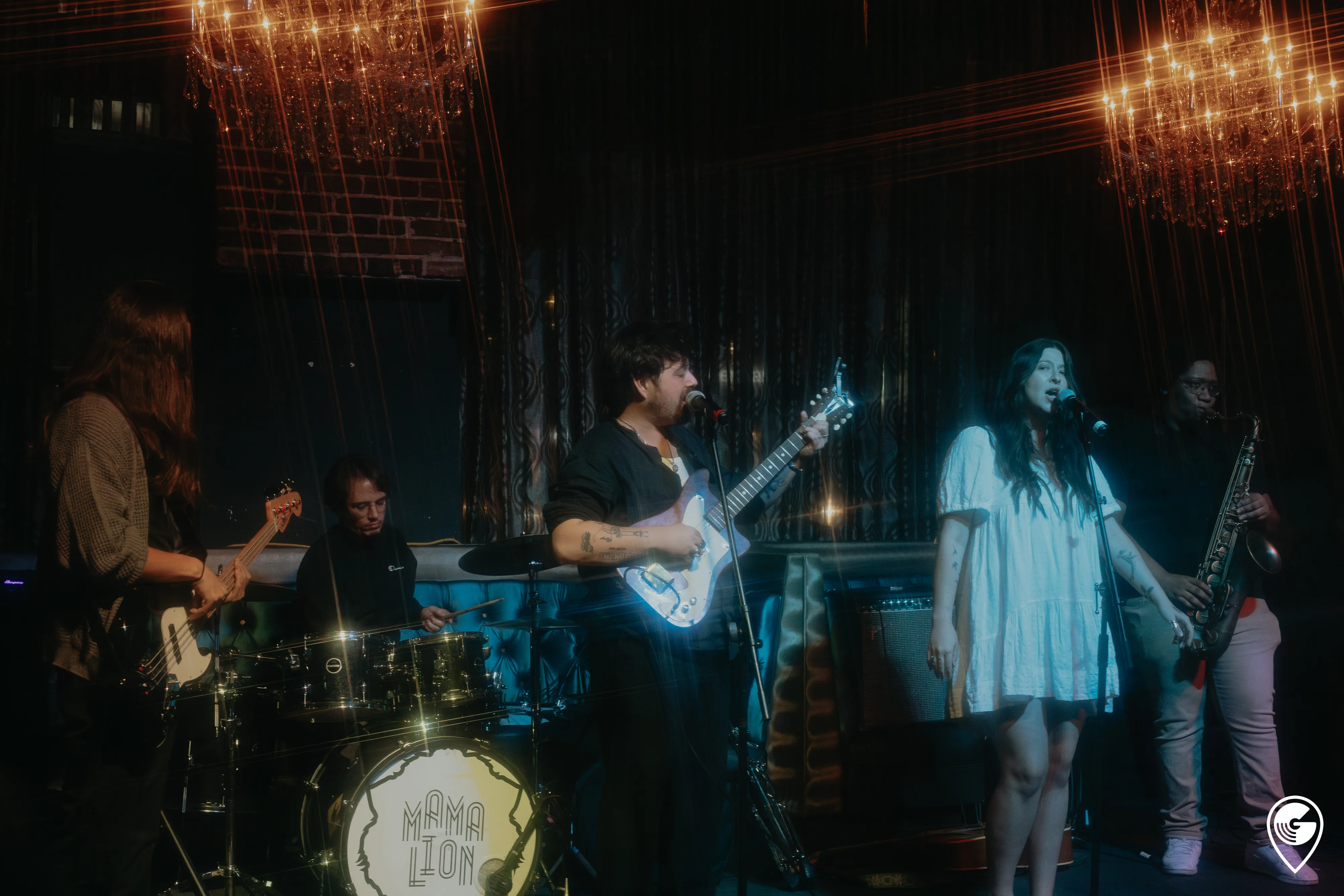
Put a brilliant jazz trio in a sports bar on game night and you’ll clear the room. Plug in a high-energy cover band amidst a candlelit tasting menu and you’ll get complaints by the second course. Neither act did anything wrong. The match did.
This is the part of live music programming that operators consistently underrate. They obsess over whether to have music and how much it costs, then book by the one variable that predicts almost nothing about the night: who happened to be available. Curation — the actual matching of act to room — is where live programming succeeds or fails, and it’s far more learnable than most venues assume.
The variables that actually predict a great night
A good match isn’t taste or luck. It’s the alignment of concrete factors. Our framework is refined by years of tastemaking across over 40,000 shows.
| The variable | What it decides |
|---|---|
| Acoustics & size | Ceiling height, soft surfaces, and square footage set the volume and instrumentation the room can carry |
| Day & placement in the week | Brunch, a slow weeknight, and weekend prime each want a different kind of act |
| Crowd & concept | The venue’s brand carries an implicit sonic identity; the best acts reinforce it |
| Guest behavior you want | Linger and order another round, or come specifically for the music |
| The artist’s strengths | Beyond genre: can they read the room, adjust, and treat it as hospitality, not a headline |
The room’s acoustics and size. A booming PA and heavy percussion in a small hard-surfaced room is punishment; a solo acoustic act in a cavernous hall disappears. Ceiling height, soft surfaces, and square footage dictate not just volume but instrumentation. What sounds intimate in one space can sound thin in another.
The day and night, placement in the week. Sunday brunch, Tuesday dinner, and Friday at 10pm are three different experiences that happen to share an address. Brunch wants warmth that doesn’t intrude on conversation; weekend prime wants energy that lifts the room; a slow weeknight wants a reason to linger. The same venue often needs three completely different kinds of acts across its week. The key is to ensure that even through the nuances, the sets are still brand consistent.
The crowd and the concept. Who’s actually in the room, and what did the venue’s brand promise them? A luxury hotel lobby, a craft brewery taproom, and a Latin-concept restaurant each carry an implicit sonic identity. The best programming reinforces the concept the guest already bought into rather than fighting it.
The guest behavior you want. This is the one operators forget to name. Do you want guests to linger and order another round (dwell), or to come specifically for the music (reputation)? Different goals call for different acts. Music is a tool for shaping guest behavior, and the behavior should be chosen on purpose.
The artist’s actual strengths. Beyond genre: can this act read a room and adjust? Are they reliable? Do they understand they’re part of a hospitality experience, not headlining over it? A technically dazzling player who ignores the room’s energy is a worse match than a solid pro who reads it perfectly.
How “book whoever’s available” can cost you
Availability-first booking feels efficient but it quietly bleeds money. Every mismatch is a night of underperformance nobody traces back to the real cause. The check average dips, the energy sags, guests don’t return or clear out prematurely, and the venue concludes “live music doesn’t really work for us” when what didn’t work was that act, in that room, on that night.
The cost compounds because it’s invisible. A bad food cost shows up on a report. A bad match shows up as a slightly flat Tuesday that no one connects to the booking decision made three weeks earlier. Operators optimize the things they can see and leave the highest-leverage variable to chance.
How data sharpens the match over time
Experience gets you a good first guess. Data is what turns guessing into a system and it’s the core of how a modern booking platform outperforms a single venue’s intuition.
Every show generates a signal: how the room responded, whether the act fit the slot, how guests behaved, whether the venue wanted them back. Thousands of shows aggregated across 70 cities creates a signal that predicts matches before the night happens. Which formats perform in which room types. Which acts can reliably lift a midweek slot. How a luxury hotel lounge differs from a high-volume restaurant in what it needs. A single GM books from one venue’s worth of trial and error; a platform books from a national pattern library. This leads to over a 98% satisfaction rate in shows proving operational and artistic excellence.
The point isn’t that an algorithm replaces human curation. It’s that data plus an experienced A&R team beats either alone.
The takeaway for operators
Before the next booking, answer five questions:
- What’s the room?
- What’s the slot?
- Who’s the crowd?
- What behavior do I want?
- Why do I want music?
Match the act to those answers and your hit rate climbs immediately. If you want to remove the guesswork, that’s exactly what we do.
GigFinesse matches musicians to venues using data from 1,000+ shows a month plus a team of veteran talent-buyers — so the act that shows up is the one your room actually needed. Talk to our team.